Showing posts with label Solitude. Show all posts

Spring in Ruaha

Same baobab tree, 11 days apart, slightly different angle.

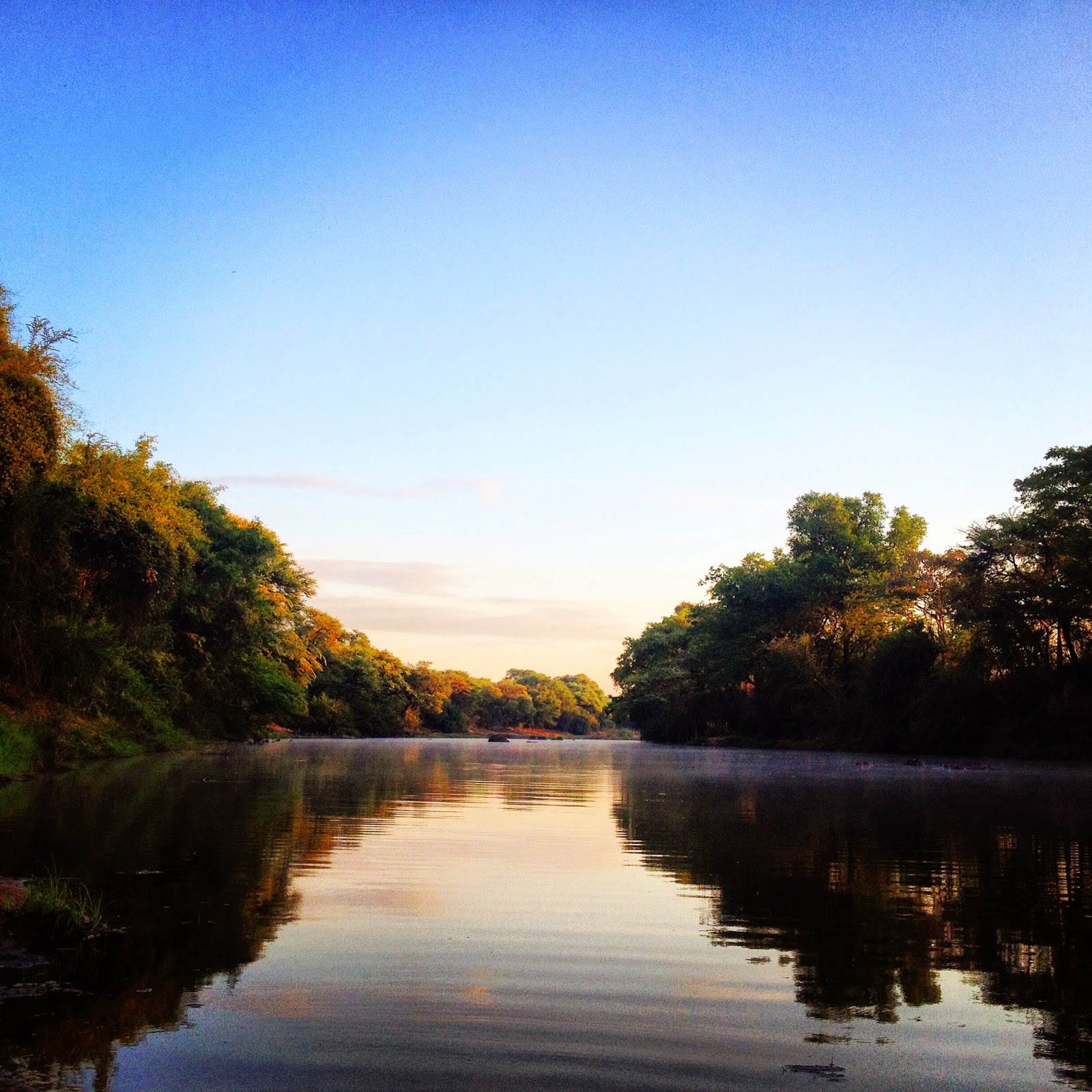
Ruaha is just that far away that it doesn’t make it into enough of my safari itineraries. This year I was fortunate to have two back to back safaris in Ruaha, giving me two weeks in the park at one of the best times to be there.

I’ve written about Ruaha in other articles about walking safaris or exploring the more remote areas of the park. However over these two weeks, most of the time I spent was in the core area- a triangle between the escarpment, Mdonya River, and Great Ruaha River. Being the end of the dry season, water had ceased to flow in the Ruaha and elephants, warthogs, zebra and baboon dug in the sand rivers to get at the cool water that flowed beneath the sand. The predators staked these points out, waiting in ambush, for whatever prey overcome by thirst would venture too close without a careful scan.

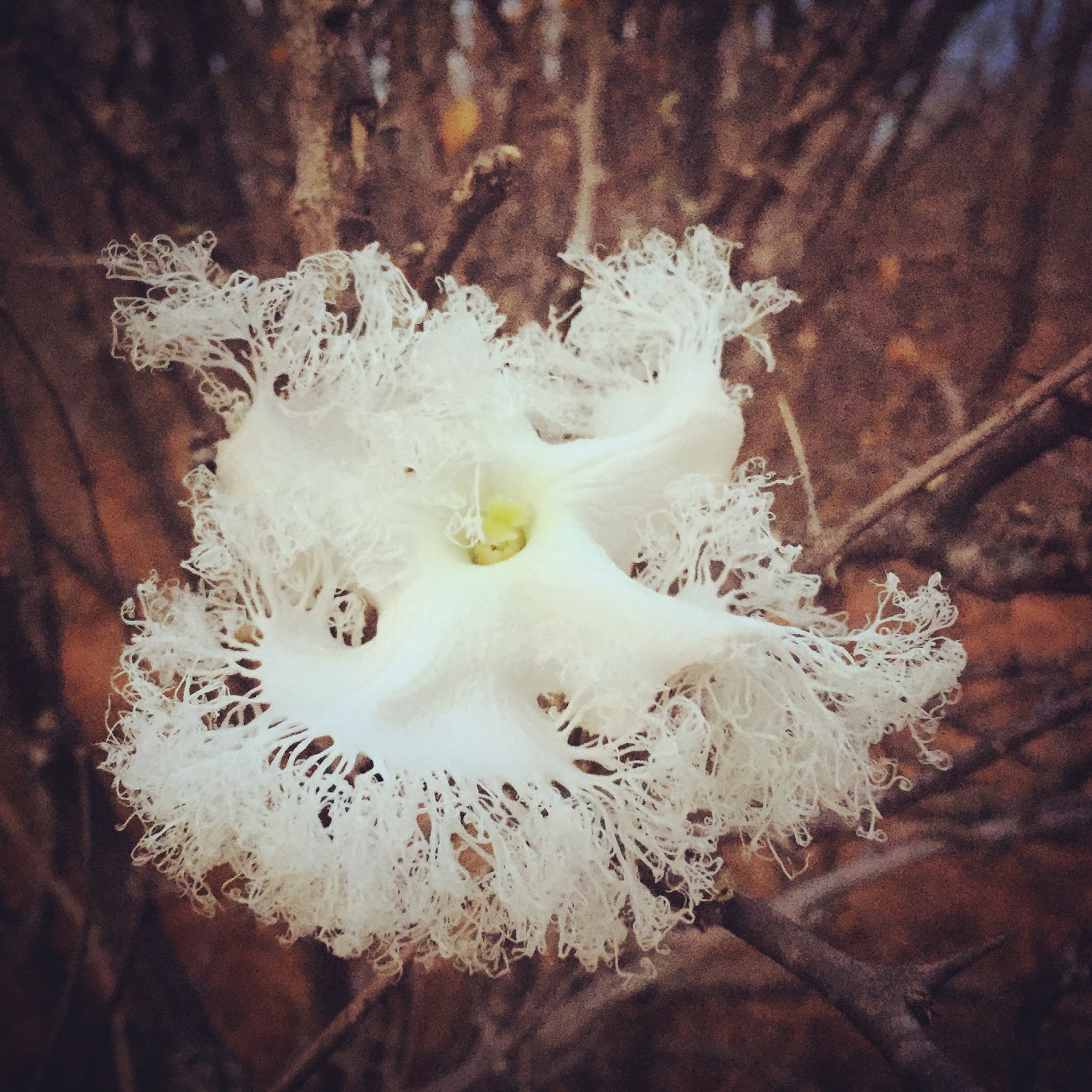
Within a few days of me being there, the rains came. Big, violent thunderstorms that brought with them relief. Change was overnight. Areas that had been doused with water began the transformation into an emerald paradise. Fragile buds pushed through the soils crust, the tips of dead-grey branches began to bud, while other plants threw sprays of fragrant blossoms that filled the air with the scent of jasmine.

The following images and videos were all taken with my phone (for more and better quality follow me on instagram @tembomdogo

A herd of impala resting in the shade.


Combretum longispicatum blossom.
A delicate Ribbon-wing lacewing is our dinner guest.
Magic.
Scadoxus multiflorum is a great Latin name for this Fireball lilly.
The incredible light- what you can't see is the fragrance of jasmine that was drifting in the air from the blossoms of this bush.
Fresh growth on Combretum apiculatum.
Sesamothamnus blossom- another fragrant beauty.
Lillies on a walk.
You have to get out and walk to find this baobab tree that is growing out of a rock!
Never smile at a crocodile- unless you're a Ruaha lion that specializes in hunting crocodiles. 

Beyond Ruaha's Charismatic Wildlife

An exploratory guide's-only trip.
Greater kudu- a flagship Ruaha species.
There’s a triangle in Ruaha National Park, bordered on the south side by the Mdonya river, the escarpment running north east, and on the east to south side by a section of the Ruaha River’s floodplain. Through the middle runs a sand river, the Mwagusi, creating an incredible area for the charismatic wildlife that gives East Africa its reputation. Like many places in East Africa, water is the limiting resource that determines wildlife abundance, and the Ruaha, Mwagusi and Mdonya Rivers provide just that- permanent (though not always obvious) water for herds of hundreds of buffalo, elephants, giraffe, zebra, impala, yellow baboons, and their predators: lions, leopards and cheetah. But it is a relatively small area in Ruaha’s extensive landscape.

Our first stop was a campsite on the Mdonya River. It was the end of the dry season, so water was limited to a few places where elephants knew to dig. We’d just driven 15 hours straight from Arusha, but were sighing in relief as the familiar sounds of the African bush comforted our souls. None of us bothered with the rain flies for our tents and went to sleep to the sound of the African scops owl. Lions roared as the walked by at about 4 a.m. but it wasn’t until the ring-necked doves started their morning call to work that Tom, our camp assistant, woke up to stoke the fire and get the coffee going.
Our first campsite under a Lebombo wattle (Newtonia hildebrantii).
Day 1.
Our first order of the day was a meeting with the tourism warden and a couple of rangers to discuss our expedition. Some recently opened roads were making access into some of the least visited areas of the park possible and we wanted to know if they would work for walking safaris. For many of us, walking is a way of experiencing a quieter side of nature and escaping from the diesel-engine-run game drives and trappings of luxury camping. Waking up to a thermos of coffee and going to bed after a sipping whiskey by the fire were all the luxury we needed; it was about the wilderness.
The magical triangle in Ruaha- see map below for context.
As we left the magic triangle we climbed up into the hills behind the escarpment and were rewarded immediately by a racquet-tailed roller who fluttered along side. “Lifers” were being added to the list and for most guides with passion like us, that is one of the most exciting things. The next lifer for a few of us, only a few minutes later, was a herd of Sable antelope: one of the most beautiful of all antelopes, and particularly exciting as they are miombo woodland specialists. The miombo woodland was also changing in anticipation of the rains, and with colors that would compete with a Vermont autumn. Vivid reds, purples, blue-greens, light greens; it was beautiful.
With 7 of us in the vehicle, food for 8 days, camping equipment, and our libraries, water was our biggest challenge. The 90 litres we could carry required us to take every opportunity we could to refill, and determined our campsites over the next few days. 

We arrived at the first campsite as the evening light became intense and vibrant and what unfolded became the schedule for the next week: unload, set up tents, collect firewood and light fire, unpack and prep dinner, carry the basin to the stream to bathe and then sip on a cold beer, reclining on thermarests, binoculars on chests, and reference books open. We didn’t need to meditate or even think about focusing on the moment; it just was, pure, the product of a love of wilderness and like-mindedness. Sleep came quickly, as it does in the bush. 
Racket-tailed rollers.
Day 2
As the night sky began to change, the fire was stoked and coffee water boiled. Each of us woke to our own beat, grabbed a cup of coffee and the first moments of the day were appreciated in respectful quiet.

With heavy rainstorms imminent we followed Thad’s suggestion and headed to the furthest point we wanted to reach. The grass got greener and longer as we drove around the Kimbi Mountains. We saw more game that day: sable, zebra, giraffe, warthog, Lichtenstein’s hartebeest and even some lions. However, to say that wildlife was prolific would be very misleading.

Lichtenstein's hartebeest- a miombo speciality.
On maps, the Mzombe-roundabout appears to be the headwaters of the river. It is also on the border of the park; in essence, the end of the road. The grader driver literally created a cul-de-sac roundabout. In the past, the Petersons had walked the Mzombe River further downstream before trophy hunting and administration in the bordering Rungwe Game Reserve had become so profit-oriented that they stopped respecting the buffer to the park and hunted right to the edge. Yet, the Petersons’ stories of encounters with lions, elephants, hippos and more had left an impression of this river, one that was not fulfilled at the headwaters. 

Incredible flowers.
A natural bouquet. Nature does it better.
Delicate Orchids- Eulophia coculata.
Instead it was incredibly green, and the hills invited walking. It had obviously rained enough to bring out the wildflowers and on the walk the next day in addition to wonderful birds like thick-billed cuckoos, spotted creepers, and yellow-bellied hyliotas, we admired the proliferation of flowers.

Day 3
Having walked for 7 hours in the morning, we returned to camp for lunch. The clouds were building and we had already been dumped on while walking. We packed up camp, and made our way back around the mountain. Our third camp was at the base of the mountains in a small clearing. Purple crested turaccos hopped around in the trees and as darkness fell, barred-owlets, tiny little owls, began calling.
Water re-filling break under a Faidherbia albida.
Day 4
The next morning we set off early, and were fortunate to quickly find a proper elephant trail leading up into the hills. Elephants are big animals and just naturally take the best route. The switchbacks were there when we needed them and the path that wound its way up around rocks and to the top of the hills made it a real pleasure to climb the hill. A rocky outcrop distracted us as we paused for peanuts, homemade cookies and water. More new birds made our list but a particular highlight was 2 sightings of Chequered elephant-shrew. 
Photographs cannot capture the extensiveness of this wilderness.
We returned to camp at around 3, exhilarated by the climb. Lunch was quick and we headed off to a clearing we had passed a couple of days before that we believed we could drive down to get to a river known as the Lupati, a tributary of the Mzombe. We barely made it half a kilometre when the woodland became too thick to drive through. Small drainages were converging and a couple of times we ran into dead-ends. We did have good sightings of Roan antelope and that evening as we watched nightjars hawk the sky, we heard our first elephants.

Just a lunchtime chill.
Day 5
Spectacular storm build-ups warned us that we should probably head back to the Ruaha River, so after our usual breakfast we took a shorter walk before proceeding to head towards Usangu. We entered the new addition to the national park and drove and drove. It was a long day of driving, but the landscape kept changing as we pushed on. It was not until we made it into the lower areas that we began to see more wildlife, particularly giraffe and impala. There was evidence of game and in one clearing we had great sighting of sable, roan, and bush pigs foraging in daylight. Scuff marks and tracks in the road told a story of Africa wilddogs killing a warthog.
Roan antelope- another Ruaha speciality.
We arrived in camp as it was getting dark. Camp was on the river, just meters from a pool with over thirty hippos in it. We quickly set up camp before settling down on the riverbank to watch the birds fly by and hippos grunt their disapproval of their new neighbors. As darkness set in, we scanned the water for crocodile eyes- 1, 2, 3, 4, 5, 6 pairs of eyes watching us.

Day 6
The sun had not come up yet, but the sky was changing. Coffee cups in one hand, binoculars ready to train on birds flying by, we sat and watched. This was really a grand finale for us. It was a slightly slow start but this was the area we would most likely come to walk next year and I wanted to explore. We set off for a couple of hours and then returned to take the vehicle. There were campsites we needed to examine and stretches of river to see. The roads had not been graded as they had the previous days, and the going was tough enough that my vehicle is being repainted as we speak. A stump wrote off a tire, but those are the costs of adventure.
Pel's fishing owl.
Day 7
It was the usual morning routine, but as we sipped our coffee and contemplated the view, we knew we were leaving today. We took down our tents and then took a quick walk along the river before climbing back into the vehicle for the ride home.
To book an adventure in Ruaha contact me or Thad.

A Private Family Adventure

Our private camp in Tarangire.
The sun was setting: a typical Tarangire sunset that turns the sky an amazing orange, framing cliché Umbrella acacias and baobab trees. The campfire was lit and the solar-heated water showers were being hoisted into the tree. One of the kids was climbing a fallen tree and setting up the go-pro for a time-lapse photo. It had been a long and good day. After a game drive lasting nearly 10 hours, we’d seen so much: herds of elephants coming to the swamp to drink, countless zebra sightings, impala, giraffe, a leopard in a tree, and a lion by a termite mound, not to mention additions to the bird-list that the oldest boy was keeping. We’d even seen a snake: a Rufous-beaked snake, (not an everyday sighting).

A pride of lions had begun roaring a few hundred meters upwind at 5:30 in the morning, close enough that even a seasoned safari go-er would say it was close. A troop of baboons was trying to get to the tall sycamore fig-tree that was in camp, but had to settle for the sausage trees on the edge of camp. It was the epitome of the immersion experience.

The next morning, we woke at again at dawn. The wildlife hadn’t been quieter, but everyone had slept soundly. The kettle of cowboy coffee simmered on the campfire as we discussed the day’s plans. It was going to be another long day of driving, but with the opportunity to see rural life in Tanzania. Our destination was also exciting as we were preparing to spend a couple nights camped in a remote part of the Eyasi basin among the Hadzabe.
The last part of the drive is an adventure in itself. Low-range is engaged and the car crawls up the hill, rock by rock until finally the track levels out and, sheltered by a rock, camp is found, exactly the same camp as in Tarangire. It wasn’t long before we were sitting on top of the rock, overlooking historic Hadza hunting and gathering grounds, watching the sun go down once again.
A Hadza high up in a baobab after following a honeyguide to the beehive.
The next morning, a small group of Hadza hunters walked into camp. One had already shot a hyrax and had it tucked in his belt. Honey axes slung over their shoulders and bow and arrows in hand, they lead us to where some women had begun digging for tubers. We were soon all distracted by the excitement of finding kanoa, or stingless-bee honey. Another distraction ensued when a Greater honey-guide flew around us, chattering its call to follow. You can’t plan these spontaneous, magical experiences.
Digging for tubers.
I continued to dig for roots with the women as the family I was guding followed the Hadza guides who in turn followed the bird, eventually finding a tall baobab tree, the hive high-up on the lower side of a massive branch. I don’t know if it is just for fun, but on numerous occasions I’ve watched Hadza climb the baobab trees without smoke to placate the bees and haul out the combs dripping with honey. Judging by the laughter, it seems that they find being stung somewhat comedic. So much for African killer bees. Following a mid-morning snack of honey, bees wax, roasted roots and hyrax liver (no kidding, everyone tried!) we returned to camp for a more traditional (for us) sandwich after which the Hadza hunters showed the boys how to make arrows and fire, and in the evening took them on a short hunt.

Making fire!
Now your turn!
The last attempt for a hyrax before heading back to camp.
Having spent the first four nights of the trip in the light-weight mobile camp, we next made our way to more luxurious accommodations, swimming pools, lawns to play soccer on, and unlimited hot showers.
A budding wildlife film-maker watches as a breeding herd of elephants cross the plains in front of us. (Northern Serengeti)
There is something about privacy and after visiting Ngorongoro Crater, we were all happy to be headed to the more classic luxury mobile camp in Serengeti; not for the luxury, but for the privacy. We’d timed it perfectly, and rains in the northwest of Serengeti were drawing wildebeest herds back toward the Nyamalumbwa hills, also a sanctuary for black rhino.
Watching giraffes or are they watching us?
There is something about privacy! Enjoying sunrise in the Nyamalumbwas. 


Rubondo Island

-->
Rubondo Island Camp
Perhaps  due to my desire to leave behind crowds and find my own way, my frequent decision to turn off the radio because I won’t be able to make it to a sighting anyway, or the romance of Robert Frost’s life defining road choice, I have really come to love roads and tracks with grass growing in the middle. I vaguely remember my mother sharing a nostalgic moment of loving the sound of the grass hitting the bottom of the vehicle and when I head across the Serengeti plains and realize that I may be the only person who has driven this track in weeks, I too feel nostalgic. I’m not talking the new tracks that crisscross sensitive areas because of recent repetitive use, I’m talking about the roads and tracks that have overgrown. In nature’s persistent and perseverant way, it continues to try to reclaim back its own.

The grassy runway.
An African Fish-eagle with it's prey.
The same feeling comes too, I guess, from flying across a large body of water, when after watching intensely cultivated islands and shorelines, there before you is a different island: an island forested with massive trees, and with extensive marshes protecting the shoreline, seemingly untouched. In truth, Rubondo Island was inhabited until 1977, so in the sense of the word pristine, it is not untouched but has returned to how it was. To me, it’s an icon of nature’s ability to recover. Even the airstrip that was reconditioned is covered in grass, and the rocky road to camp has branches and vine tendrils reaching out to block it as soon as it ceases to be used. Most of the animals are introduced: giraffe, elephant, and the elusive chimpanzee. But the really fascinating lifeforms on the island are the insects, the birds, and, if you’re like me, the trees.

It is a paradise, and on the last morning before we flew out, I slipped into a kayak alone, and paddled out on the glassy water to watch the sunrise. I will definitely be trying to go back!
Sunrise.

Wilderness walking, Oldonyo Lengai and Serengeti


Shedding the high thread count cotton linen and 5 course meals (luxuries of the semi-permanent and permanent lodges and camps I usually use) and braving the elements, an adventurous group of guests and I set off on safari. After having successfully climbed Mt. Kilimanjaro, including the 10 year old and 12 year old in the group (thanks to the professional climbing outfit I use, Summits-Africa), they were excited for their next experience. My ten days with them can be divided into 3 chapters: Wilderness, the Rift Valley, and of course, Serengeti.

Gourmet bacon, scrambled eggs and cowboy coffee cooked over an open fire.
Wilderness

We left Arusha in one of my new open Land Rovers which immediately added an air of excitement, followed by my trusty Land Cruiser. A private lightweight camp had been set up for us in a special campsite just on the edge of where most people get to in one of my favorite national parks in Tanzania: Tarangire. When the focus is on a wilderness experience, you sacrifice the wildlife abundance that you get in the core tourist areas, but with the right guide, you get to immerse yourself in nature.  The encounters you have with wildlife become much more meaningful and so much more than just about the wildlife.
Three bull buffaloes visit a water hole while we quietly watch downwind of them.
We didn’t really sacrifice comfort. None of us were cold, and we had warm duvets to keep us warm at night. There was always cold beer, gin & tonics at the end of the day, and the scotch was good around the fire after dinner. We even had hot showers. The coffee in the morning was proper and hot. But, yes, there were moments when the sun was beating down, and when we got dust in our eyes. We woke up a couple of mornings having not slept all that well, but it was because of the excitement of hearing a leopard on patrol, and the hyenas whooping.

Rift Valley

Having enjoyed our wilderness experience, we ventured on, taking advantage of the lightweight camp to see another part of the Tarangire ecosystem that most guests to Tanzania don’t get to see. During the wet season, just like in the Serengeti ecosystem, the volcanic grasslands of the Rift Valley draw 10,000 wildebeest (10% of what there once were) to feed on nutrient rich grasses and calve. But during the rest of the year, the valley is dry and harsh. The fertile soil turns to talcum powder dust that feeds tornado-like dust devils, and the volcanic rocks and lava flows violently shake any vehicle that drives those roads. Yet, despite the harshness, Maasai pastoralists eke out a living, herding cattle across the grasslands, and large herds of zebra with their hardy digestive systems feed on the dry grasses that remain. And then, as you come around the corner, Oldonyo Lengai seems to rise out from the plain in front of you.

Under the light of the moon, we attempted began our summit bid. The views from the top are beautiful, but the climb is brutal. Volcanic ash fills your boots, and you slip constantly. There are no switch-backs, just a 5 hr, 6000ft ascent. Since its eruption in 2008, you can no longer walk out into the crater filled with lava and ash. Instead, the mountain is higher than it used to be and the crater a deep, deep hole.
 That afternoon, after napping and eating, we drove to the edge of Lake Natron in search of Lesser Flamingos. Lake Natron lies at a low point in the rift. It has no outlets, and with high surface temperatures and wind, the water in it evaporates leaving behind salt deposits that make it as alkaline as ammonia.  These conditions are perfect for Cyanobacteria to flourish. Lesser flamingos are Cyanobacteria specialists and use Lake Natron as a nesting ground.
A few thousand Lesser flamingos through the eyepiece of my binoculars.
Serengeti
 
A lovely herd of giraffe... yes, those black dots in the background are wildebeest.
Having completed another chapter of our adventure, we climbed back into the vehicle and headed up the few million year-old rift and up and over the 580 million year-old Gol Mountains to northern Serengeti. Unusually dry for August, I was a little worried that the wildebeest migration might have already disappeared across the river into Kenya’s Mara. Again we chose to spend most of the time avoiding the other vehicles and bumbled around finding our own lions, except for one drive that took us towards the confluence of the Bologonja and Mara rivers to see the thousands of wildebeest. The rest of the time we took the opportunity to be quiet and capture the ambient sounds of the bush on film, sipping champagne in celebration of a wonderful experience and 69th birthday, and watching a threatening thunderstorm bear down.
Finding predators is always very satisfying although most of the time they are sleeping.
 
Post note: The group continued to Mt. Kenya where they successfully climbed to Point Lenana, the highest point on the mountain that doesn’t require technical climbing. Well done!

Another Weekend in Tarangire


Finding myself back in Arusha for a couple weeks between safaris, it wasn’t long before I was wishing I was back out in the bush. With guests going into Matembezi’s private camp in Tarangire, I was invited by the owner to head out and spend the weekend there before the guests arrived on the Monday. The fridge full of beer, binoculars on the dash, and a spare set of clothes and other essentials, we left the traffic jams and noise of Arusha on the familiar road to Tarangire.

Looking through my blog it hadn’t occurred to me how much time I’d spent this year in Tarangire and after this weekend, I have to admit scores very high on my favorite places list. I was excited to get out there with my brother, girlfriend and some other friends not working as the guide or teacher, but just for fun. I’d get to look at some of the little-brown-jobs (LBJ’s) as birders call them, or stop to try to identify a fairly non-descript plant.

Just the drive into camp was wonderful, the 500 elephants in the swamp beginning to head out into the woodlands, a leopard in a tree next to the road. A lion in a tree, 3 pythons in trees, and of course the tranquil vistas. Maybe its because this was the first park my parents brought me to as an infant, but it always has a calming effect on my soul.

We woke up early on Saturday morning and drove out towards the swamp onto a beautiful green lawn, the result of a grassfire followed by rain. Within 300 meters from camp we spotted two lionesses feeding on a hartebeest and then watched as a hyena approached, urging the lioness to drag the carcass into the bushes. Surrounding us was an aggregation of Bohor reedbuck, Impala, Grant’s gazelle, Hartebeest, Eland and even a rare Fringe-eared Oryx wandered past, as we sat on the roof sipping fresh coffee. We continued on our little game drive only to bump into a pride of 14 lions- 10 cubs and 4 lionesses, before returning to camp for breakfast.


The Sausage trees were flowering and attracted Scarlet-chested Sunbirds who flitted about chasing each other away from their flowers. But the real highlight was the number of antelope that the fallen flowers attracted. At any one time, we could see at least 7 different species and all in all we saw a total of 12 species within a couple kilometers from the camp. The burned ground had also attracted a species of bird that I’d never seen before called the Chestnut Sparrow-lark as well as beautiful Collared Pratincoles.

Sunday came, and we returned to Arusha, revived by a couple nights in the African bush.

Antelope species seen:

1.     Eland Taurotragus oryx
2.     Greater kudu Tragelaphus strepiceros
3.     Lesser kudu Tragelaphus imberbis
4.     Bushbuck Tragelaphus scriptus
5.      Fringe-eared oryx Oryx beisa callotis
6.     Common waterbuck Kobus ellipsiprymnus
7.     Bohor reedbuck Redunca redunca
8.     Coke’s hartebeest Alcelaphus buselaphus cokii
9.     Grant gazelle Gazella granti
10.  Impala Aepyceros melampus
11.  Kirk’s dikdik Madoqua kirki
12.  Steenbok Raphicerus campestris